Buying a new-build home is an exciting milestone. After months of planning, paperwork, and waiting for completion day, finally getting the keys can feel like crossing the finish line.
However, before you start unpacking boxes and choosing where the sofa goes, there's one important question many homeowners face: should you hire a professional snagging inspector?
The answer isn't always straightforward. For some buyers, a professional snagging inspection is money well spent. For others, a careful self-inspection with the right tools may be enough. This guide will help you understand the benefits of both approaches and decide what's right for your situation.
What is a snagging inspection?
A snagging inspection is a detailed assessment of a newly built property to identify defects, unfinished work, or areas that don't meet expected standards.
Common snags include:
- Paint and decorating defects
- Scratches to windows, doors, or worktops
- Poorly fitted fixtures and fittings
- Damaged skirting boards
- Uneven flooring
- Missing sealant
- Plumbing issues
- Electrical faults
- Poor finishing around kitchens and bathrooms
Some defects are obvious, while others can be easy to miss if you don't know what to look for. The purpose of snagging is to identify these issues early so your developer can put them right.
What does a professional snagging inspector do?
Professional snagging inspectors specialise in assessing new-build properties. They understand common construction issues, know where defects are likely to occur, and have experience inspecting hundreds of homes.
Their goal is simple: to help you get your new home to the standard you paid for before your developer's warranty begins.
A professional inspection will typically include:
- A thorough room-by-room inspection
- Detailed notes and photographs
- A comprehensive snagging report
- References to relevant standards where appropriate
- A clear list of issues to raise with your developer
Many homeowners are surprised by how many defects a professional inspector can identify, even in homes that appear perfect at first glance.
What does a snagging inspector check?
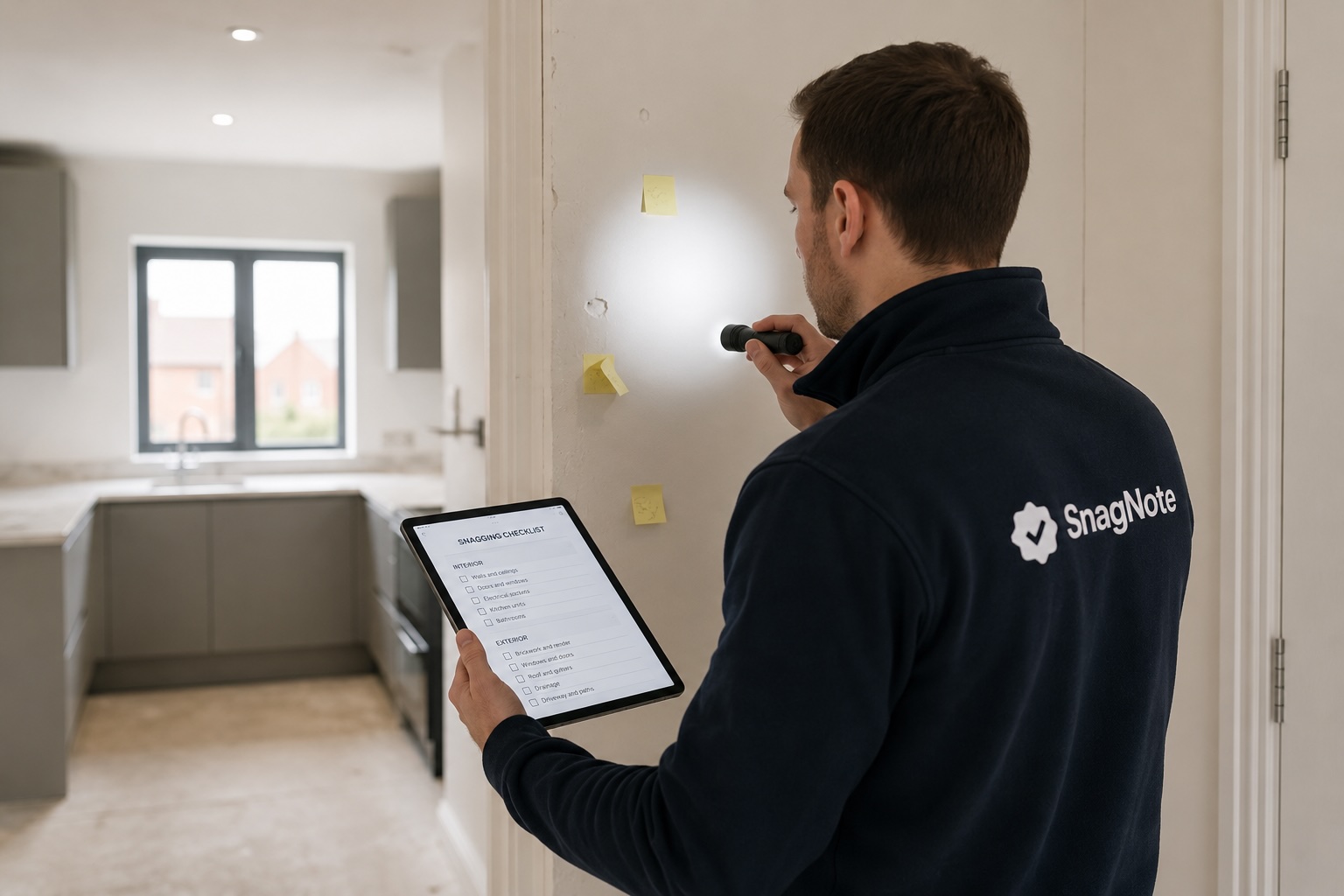
While every inspection is thorough, most inspectors will check areas such as:
- Walls and ceilings
- Doors and windows
- Electrical fittings
- Plumbing
- External brickwork
- Kitchens and bathrooms
- Finishes and flooring
Benefits of hiring a professional
Benefits
- Experienced and trained eye for defects
- Independent assessment of your property
- Comprehensive reporting
- Additional confidence when dealing with developers
- Potentially identifies issues that could be costly if left unresolved
Drawbacks
- Additional upfront cost
- Availability can vary depending on your area
- You'll still need a way to manage and track repairs afterwards
How much does it cost?
Prices vary depending on the size, location and complexity of your property.
Always get a detailed quote upfront so you know exactly what's included.
Can you carry out your own snagging inspection?
Absolutely. Many homeowners successfully inspect their own properties and identify a large number of defects themselves. The key is being methodical.
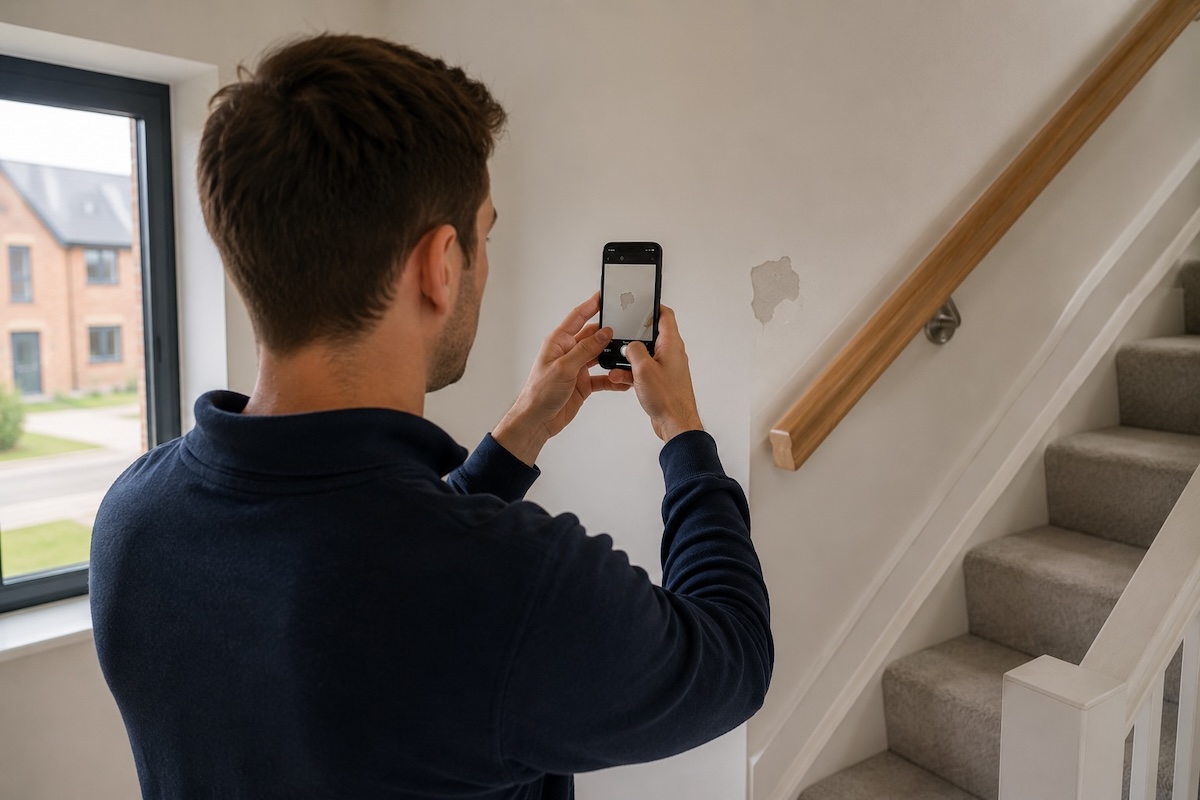
Rather than relying on memory or scribbling notes on paper, it's important to record issues properly so they can be reported and tracked. A good self-inspection should include:
- Photographs of each defect
- Clear descriptions of the issue
- Room-by-room organisation
- Progress tracking as repairs are completed
- A record of communication with your developer
Finding defects is only part of the process. Managing them until they're fixed is just as important.
Where SnagNote fits in
SnagNote was built to make snagging simple, whether you're inspecting a property yourself or working alongside a professional snagging inspector. Instead of juggling photos, emails, spreadsheets, and handwritten notes, everything is stored together and easy to manage.
Is it worth hiring one?
The answer depends on your situation.
- This is your first new-build home
- The property is large or complex
- You want maximum peace of mind
- You live some distance from the property
- You simply don't have time to inspect yourself
- You're working with a tighter budget
- You have a good eye for detail
- The property is relatively straightforward
- You want a simple way to organise and report issues
The best approach? Use both.
For many homeowners, the ideal solution is a combination of both approaches.
A professional snagging inspector can help identify defects that might otherwise be missed, while SnagNote provides a simple way to record findings, generate reports, track repairs, and keep everything organised. Together, they create a powerful process that helps ensure issues are identified and resolved efficiently.
SnagNote was not designed to replace professional snagging inspectors. Instead, it was built to make snagging easier, whether you're carrying out your own inspection or working alongside a professional. Think of it this way: professional snaggers help identify defects; SnagNote helps organise, document, report, and track them.
Final thoughts
Whether you hire a professional snagging inspector, carry out your own inspection, or combine both approaches, documenting and tracking defects properly is essential.
SnagNote helps ensure nothing gets missed, forgotten, or left unresolved. From recording issues and generating reports to tracking repairs over time, it gives homeowners a simple way to stay in control of the snagging process.
Because identifying a snag is important, but making sure it gets fixed is what really matters.

Track defects, generate reports and stay on top of everything in one place with SnagNote.